August 2026 · Phoenix Drywall Repair LLC
Removing old wallpaper is one of the most common home renovation projects in the Phoenix Valley — and one of the most reliably damaging to the walls underneath. What looks like a straightforward afternoon job almost always ends with bare drywall that's torn, gouged, stained, or completely missing its paper facing. At that point, painting over it isn't an option. The wall needs proper repair before anything else can happen.
This is one of the more common calls we get. Homeowners pull off wallpaper during a refresh or presale prep, then realize the wall is in far worse shape than expected. If you're in that situation, our drywall repair service is the right next step. Here's what's going on with your walls and what the fix actually involves.
Standard drywall has a paper facing on both sides of the gypsum core. When wallpaper was installed, it was either glued directly to that paper face or applied over a layer of sizing (a primer coat designed to help with future removal). If sizing was used and installed correctly, removal is much cleaner. Most older Phoenix homes — 1980s and 1990s tract housing — had wallpaper hung directly on unprimed or single-coated drywall. The adhesive bonds to the paper face of the drywall itself.
When you pull the wallpaper off, the drywall's paper face often comes with it. What you're left with is exposed gypsum — a chalky, porous surface that doesn't hold paint and needs to be fully skim-coated before it can be finished properly. Even in areas where the paper stays intact, you'll typically find:
Skim coating is the standard fix when paper facing has been damaged or removed.
The scope of repair depends on how much surface area was wallpapered and how much damage was done during removal. The most common repair scenario for wallpaper damage involves skim coating — applying a thin layer of joint compound over the entire affected area to restore a uniform, paintable surface.
This is not the same as patching a hole. Skim coating is a full-surface application that has to be feathered out, allowed to dry, lightly sanded, and often done in two coats to get a smooth result. In Arizona's dry climate, the first coat can dry within a few hours — but rushing the second coat or skipping proper prep creates cracking and uneven texture that shows badly under paint.
Before skim coating can start, the wall needs:
Skim coating requires the right compound, tools, and dry conditions to get a smooth result.
No — not with any good result. You'll often read online advice that says to prime the bare gypsum and paint directly over it. This produces a surface that looks bumpy, absorbs paint unevenly, and telegraphs every flaw in the wall. The torn paper areas will show through the paint with a different sheen. The glue residue areas will bleed. The seams will be visible.
In the Valley's bright sunlight, especially in rooms with south or west-facing windows, wall flaws are extremely visible. Phoenix homeowners — especially those prepping a home for sale — find out the hard way that painting over damaged drywall isn't the shortcut it appears to be. It usually leads to a second call to redo the work properly.
The right process is: remove adhesive → PVA prime → skim coat in two coats → sand → re-prime → paint. Skipping any step creates problems in the step that follows.
For a typical bedroom with wallpaper on two or three walls, plan on two to three days:
Larger spaces — hallways, living rooms, dining rooms with full-wall wallpaper — take longer. Wallpaper on ceilings adds complexity and drying time. We'll give you a firm timeline during the estimate so you can plan around it.
One thing Phoenix's desert climate does help with: drying time. In low-humidity months (October through May), joint compound can dry much faster than it would in a humid climate. During monsoon season (July–September), humidity slows things down and makes rushing coats more risky. We account for this in how we schedule the work.
After skim coating and priming, the wall is ready for finish texture — if the rest of the room has texture. This is where things get nuanced. Phoenix homes typically have orange peel or light knockdown on the walls. After a full skim coat, you're essentially starting with a blank surface. That's actually an advantage — it's easier to apply fresh texture uniformly to a freshly skim-coated wall than to blend texture into a small patch.
We match the texture to whatever's in the rest of the room. If the wallpaper covered the entire room and you want a fresh start with smooth walls, we can do that too — though smooth walls are a higher finishing standard that requires a Level 5 finish. See our post on drywall finishing levels for more on that.
Skim coating a wall is genuinely difficult to do well. The technique involves applying compound thin enough that it doesn't crack, thick enough to fill the surface irregularities, and smooth enough that it doesn't require excessive sanding. It's a skill that takes repetition to develop. Most homeowners who try it produce a wall that looks fine until it's primed — and then every trowel mark, lap line, and thin spot becomes very obvious.
The other issue is the PVA prime step. It's not expensive or complicated, but many DIY tutorials skip it or treat it as optional. In Arizona's dry conditions, applying compound directly to bare gypsum without a primer causes the moisture to get pulled out of the compound too fast, leading to shrinkage cracking and poor adhesion. It's a frustrating failure mode when it happens halfway through a project.
If the affected area is a small section of one wall, a capable DIYer can manage it. For larger areas — especially anything more than one full wall — professional skim coating is worth it for the time savings and result quality alone.
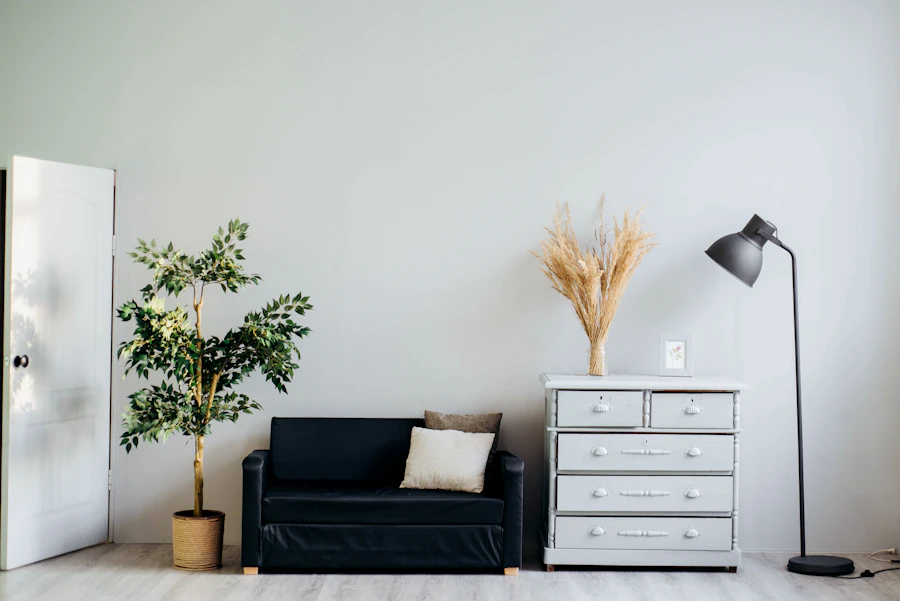
After proper skim coating and texture matching, the wall is ready for paint — smooth, uniform, and without a trace of the damage.
Wallpaper removal drywall repair is priced by the square footage of affected surface, the degree of damage, and the number of coats required. A single bedroom with moderate damage typically runs $400–$900. A living room or dining room with heavy damage — torn paper over the full surface, adhesive residue throughout — can run higher. We quote all work in person and give a firm price before we start anything.
Texture matching is included in the quote. Primer coat is included. Paint is a separate trade — we leave the wall in prime-ready condition and you or your painter handle the finish paint. See our full breakdown on Phoenix drywall repair costs for more detail on how we price different types of work.
Call, text, or use our instant quote tool. We answer questions directly — no runaround.
(480) 277-6884 ⚡ Instant Quote →Related: Smooth Wall & Skim Coat · Texture Matching Phoenix · Back to Blog
External resources: EPA Lead Paint Renovation Rules · PVA Drywall Primer — Home Depot · USG Joint Compounds