
November 2026 · Phoenix Drywall Repair LLC

Replacing carpet with tile or luxury vinyl plank (LVP) is one of the most common upgrades in Valley homes. Almost every one of those jobs starts the same way: the baseboards come off. And when they do, they rarely come off clean. Caulk, paint, and finish nails grab the drywall, and you're left with torn paper, crumbled edges, and holes running along the bottom of every wall in the house.
Most of the time this damage gets hidden by new baseboard. Sometimes it doesn't — especially if the new base is shorter, the old base was glued, or the bottom of the drywall was already damaged by water. If you need it fixed, see our drywall repair services or call (480) 277-6884. Here's what to know first.
Baseboard is nailed through the drywall into the bottom plate and studs, then caulked along the top edge and painted in place. That paint and caulk film bonds the trim to the wall. When someone pries the base off, a few things happen:
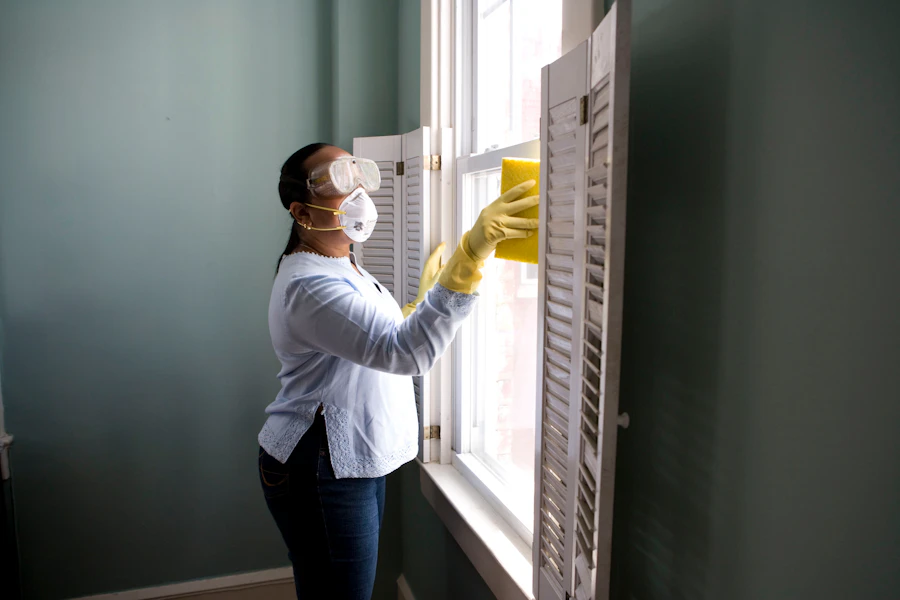
Check the damage line against the new base height
Sometimes, yes. The question is whether the damage sits above or below the top of the new trim. Here's how to tell:
A good rule: if you can see damage more than about half an inch below the top of where the new base will sit, it's cheaper to repair now than to look at it for the next 15 years.
Pulling baseboards is one of the few times anyone sees the bottom edge of a Phoenix wall. That's when we find old problems: dark staining near bathrooms and laundry rooms, soft gypsum by exterior doors from monsoon water, swelling behind the fridge or dishwasher, and occasionally termite mud tubes. In slab-on-grade Valley homes, the bottom inch or two of drywall takes the brunt of every leak.
Soft or stained drywall should be cut out and replaced, not covered. Trimming new base over it just traps the problem. See our water-damaged drywall repair page, and our posts on laundry room repairs and termite damage if that's what you find.
Seal, fill, and flatten before the base goes back
Timing matters. The best order on a Phoenix flooring project is usually:
Doing drywall after the new floor goes in means protecting brand-new tile or LVP from compound and sanding dust. It's doable, but it adds time. If you're also repainting, our painting after drywall repair post explains why touch-ups often flash.
Baseboard-line repairs usually take two visits: one to seal, replace, and fill, and one to skim, texture, and prime. Low Phoenix humidity helps compound dry faster — see mud drying time — but each coat still needs to dry. A whole-house flooring job can go a little longer simply because of linear footage.
Cost depends on how many linear feet are damaged, how much shows above the new trim, whether any water-damaged sections need replacing, and whether texture matching is needed. Our drywall repair cost guide covers the main factors, or get a number fast with our instant quote tool.
One note: we're a drywall service company. We don't sell or install flooring or trim — we get the walls right so your flooring installer and finish carpenter can do their part.

Repaired walls make new floors and trim look their best
Call, text, or use our instant quote tool. We answer questions directly — no runaround.
(480) 277-6884 ⚡ Instant Quote →Related: Drywall Repair Phoenix · Water-Damaged Drywall Repair · Texture Matching · Back to Blog
External resources: Arizona Registrar of Contractors · EPA Asbestos Information · USG Drywall Panels